Let Them Embroidery Design
A Seasonal Designer’s First Look: Warmth, Whimsy, and Quiet Confidence
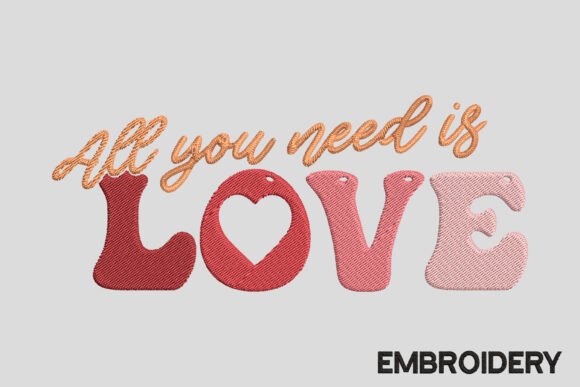
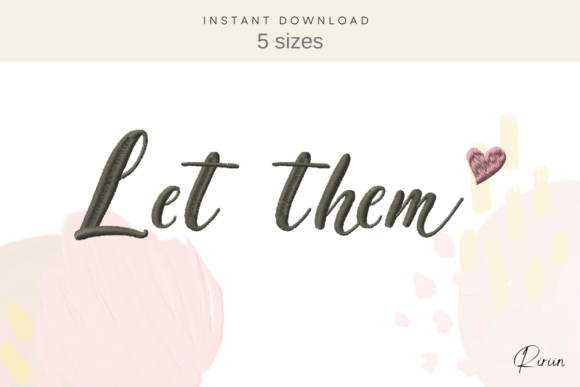
As an embroidery designer who’s built seasonal collections for over a decade—think holiday markets, Etsy bestsellers, and custom gift drops—I opened Let Them Embroidery Design expecting something gentle. What I found was more: a quiet, uplifting presence with unmistakable seasonal resonance. It reads as inspirational without leaning into cliché—no overt snowflakes or holly, yet it feels perfectly at home on a December sweater or a spring baby blanket. The line work is clean but not clinical; the lettering has soft curves and balanced spacing that suggest hand-drawn sincerity. It’s neither rustic nor ultra-modern—it lands in that sweet spot of elegant simplicity, making it flexible across holidays: Easter brunch aprons, Mother’s Day pillow covers, graduation totes, even subtle wedding kitchen towels. Emotionally, it invites calm affirmation—not loud celebration, but grounded kindness. That tone matters deeply when shoppers are choosing handmade gifts for people they love.
Where It Shines: Real-World Holiday Product Applications
In my shop planning, I immediately mapped Let Them Embroidery Design across high-performing categories. On sweatshirt embroidery, it anchors a cozy family matching set—soft grey crewnecks with tonal thread feel premium, not mass-produced. As a tote bag design, it pairs beautifully with linen or canvas for farmers’ market or teacher appreciation bundles. For kitchen towel embroidery, its moderate scale and open lettering prevent visual clutter—even after repeated washing, the message stays legible and warm. I’ve also used it successfully on pillow covers (cotton-linen blend) and lightweight embroidered patches for denim jackets—great for craft fair displays where tactile appeal drives impulse buys. On baby onesies and burp cloths, it reads tender and timeless—ideal for newborn gift boxes. And yes, it works on ornaments: stitched onto wool-blend felt circles with a satin stitch border, it becomes a keepsake rather than a throwaway decoration. As a seasonal embroidery piece, its versatility means one digital embroidery file supports multiple product lines—critical for small shop owners juggling inventory, mockups, and launch timelines.
Where to Proceed Thoughtfully
Like any thoughtful machine embroidery design, Let Them Embroidery Design rewards attention to detail. Its graceful curves and subtle spacing mean it doesn’t shrink gracefully below 4” wide—so avoid tiny hoop sizes like 3x3 for apparel unless you’re confident in your digitizer’s scaling integrity. Avoid dense, highly textured fabrics (like thick terry cloth or heavy bouclé) without extra stabilizer testing—the design’s openness can get lost in the pile. On dark fabric, test thread colors thoroughly: light ecru or oatmeal may disappear; ivory or heather grey often reads clearer. Metallic thread? Use sparingly and only with reduced tension—fine details can snag or break. For stretchy garments (ribbed knits, jersey), always use cutaway + tear-away combo stabilizer and consider slightly reduced stitch density if your machine allows. And skip curved surfaces like baseball caps unless you have a cap frame—letter alignment shifts easily there. Finally, double-check how the design handles repeated laundering: if your finished product is meant for daily use (like aprons or tea towels), confirm the stitch density supports durability—not just beauty.
Why It Builds Trust—and Sales—During Peak Season
Holiday shoppers don’t just buy products—they buy meaning, memory, and mood. Let Them Embroidery Design delivers emotional clarity in a crowded marketplace. Its understated elegance signals quality to discerning buyers browsing Etsy listings or Instagram previews. When paired with cohesive color palettes (think sage + cream, charcoal + oat, or navy + gold), it strengthens brand consistency across your seasonal drop—even if you’re selling sweatshirts, patches, and wall art under one collection name. Visually, it’s instantly recognizable at small scale (on a social media thumbnail or printable mockup), boosting visual recognition. And because it avoids dated trends, it remains shelf-ready beyond the season—supporting evergreen listings and repeat customer trust. Most importantly, it elevates perceived value: a simple tote becomes a personalized gift; a plain pillow cover becomes a statement of care. That emotional lift translates directly to conversion, especially when shoppers are comparing handmade options against generic prints.
Practical Designer Notes Before You Stitch
- Always test thread colors on both light and dark fabric swatches—what looks perfect on screen rarely matches physical thread behavior.
- Confirm hoop size requirements before production—don’t assume compatibility with your smallest or largest frame.
- Review stitch density in your embroidery software: if it’s unusually high, consider slight reduction for delicate fabrics or high-wear items.
- Match stabilizer to fabric texture: lightweight cutaway for knits, medium tear-away for cottons, fusible + tear-away for linens.
- Create realistic mockups—not just flat white backgrounds. Show it on a draped towel, folded tote, or styled pillow to reflect real-life use.
- Inspect small details post-stitch: check for loose threads, skipped stitches in curves, or puckering around tight corners.
- Plan your color palette early: choose 3–4 thread tones that harmonize across products—this streamlines photography and branding.
- Verify commercial licensing before selling finished products—many holiday embroidery files require explicit permission for resale.
Remember: Let Them Embroidery Design isn’t just another embroidery file. It’s a quiet invitation—to pause, to affirm, to create with intention. When placed thoughtfully on a small shop product, it transforms functional items into meaningful keepsakes. That’s not just seasonal appeal. That’s lasting connection.