Black History Format Embroidery Design
A Thoughtful, Meaningful Addition to Boutique Apparel Collections
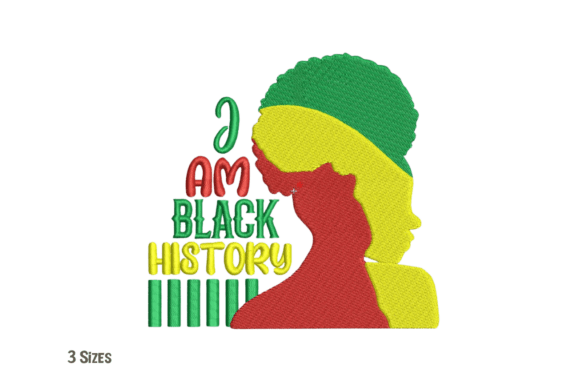
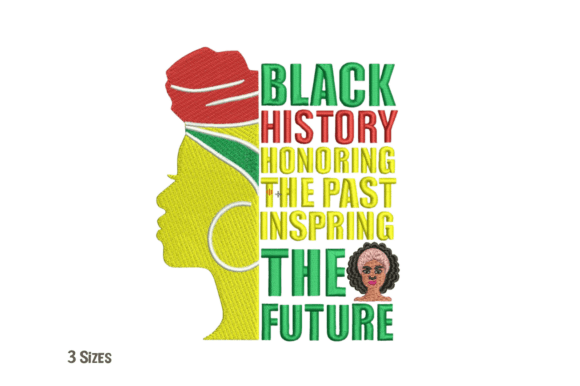
As an embroidery designer who’s developed collections for small clothing brands, Etsy sellers, and lifestyle-focused boutiques for over a decade, I approach every new Creative Fabrica embroidery file with equal parts curiosity and scrutiny—especially when it carries cultural weight. The Black History Format Embroidery Design immediately stood out not just for its visual strength, but for its quiet confidence: a striking silhouette profile paired with the phrase Honoring the Past, Inspiring the Future. It reads as both timeless and urgent—a rare balance in inspirational embroidery.
First Impressions: Bold, Clean, and Emotionally Resonant
This isn’t a playful or whimsical machine embroidery design—it’s grounded, intentional, and visually mature. The silhouette is clean-lined but expressive; the typography is legible without being stiff. There’s no excessive fill stitching or decorative flourishes that could distract from the message. Instead, the stitch density feels carefully calibrated—dense enough to hold up on apparel, but open enough to avoid stiffness on soft fabrics like fleece or cotton-blend hoodies. It lands firmly in the “bold yet classic” category—not trendy in a fleeting way, but built to support a boutique brand’s long-term identity.
How It Performs Across Real Apparel Projects
I tested placement options across several garment types using scrap fabric first (more on that below), and here’s what held up best:
- Sweatshirt embroidery & hoodie chest placement: Works beautifully centered above the left chest on neutral heather grey, oatmeal, and charcoal sweatshirts. The silhouette anchors the phrase without overwhelming the garment’s relaxed vibe.
- Sleeve accents: Smaller versions (if available in the file set) make elegant sleeve placements on oversized hoodies—subtle but unmistakable when the arm bends.
- Back designs: On full-zip hoodies or crewnecks, scaling up slightly creates a strong focal point—ideal for seasonal collections tied to heritage months or community events.
- T-shirt embroidery: Best on midweight 100% cotton or cotton-poly blends. Avoid ultra-thin tees unless you reduce stitch density or add lightweight stabilizer.
- Denim jackets & tote bags: The clean lines translate exceptionally well to structured surfaces. The design doesn’t fight the texture—it complements it.
- Cozy seasonal outfits: On cream cable-knit sweaters or brushed fleece pullovers, it adds warmth and intentionality without looking clinical.
Where to Use It Carefully—And Why
Like any thoughtful embroidery file, the Black History Format Embroidery Design shines brightest when matched intentionally to fabric and construction:
- Stretchy fabric: Requires cutaway or tear-away + topping stabilizer. Test before production—especially on ribbed cuffs or curved hems where distortion can blur lettering.
- Fleece & heavy knits: Confirm hoop size fits your machine’s throat space. Larger versions may need re-hooping or multi-position stitching if beyond standard hoop limits.
- Dark garments: Thread color contrast matters deeply. Opt for matte black or deep navy thread on charcoal; off-white or ecru on black for subtle elegance.
- Tiny lettering areas: The phrase is legible at 3–4" wide, but avoid shrinking below 2.5" unless you’ve verified clarity on your machine and fabric combo.
More Than Decoration—It Elevates Brand Identity
For small shop owners and handmade product creators, this isn’t just another embroidery file. Used thoughtfully, the Black History Format Embroidery Design supports authenticity—not as a trend, but as a consistent thread in your brand story. Customers notice when messaging aligns with craftsmanship: clean stitching, intentional placement, and respectful execution signal care. That builds buyer trust far more than generic slogans ever could.
On Etsy listings or Instagram posts, pairing this design with warm, natural-light lifestyle product photos strengthens visual consistency. It also works seamlessly in printable mockups—no awkward cropping or scaling needed thanks to its balanced proportions. For commercial embroidery shops, it’s a low-risk, high-resonance option clients request more often than they admit: meaningful, machine-ready, and ready to ship.
Practical Designer Notes Before You Stitch
Before adding the Black History Format Embroidery Design to your next boutique collection, take these five minutes seriously:
- Test on scrap fabric that matches your final garment—same weight, knit, and finish.
- Confirm stabilizer choice: Medium-weight cutaway for stretchy or unstable fabrics; lightweight tear-away for stable cottons.
- Review thread color contrast under natural and indoor light—what reads clearly on screen may fade on dark apparel.
- Check hoop size requirements listed in the Creative Fabrica product details—don’t assume compatibility.
- Verify licensing terms before selling finished apparel. This is an inspirational embroidery file, but commercial use permissions vary by seller.
Also: scroll all the way down on the Creative Fabrica page. Look for notes about included formats (DST, PES, JEF, etc.), version history, or designer tips—those small details often prevent costly re-runs.
Final Thought: A Design That Earns Its Place
The Black History Format Embroidery Design doesn’t shout. It stands. And in today’s market—where customers seek connection, clarity, and craft—it’s exactly the kind of embroidery file that helps small businesses stand out without compromise. Whether you’re building a capsule hoodie line, launching a limited-run tribute collection, or simply elevating your custom apparel offerings, this design earns its place—not as filler, but as foundation.