Hookah Embroidery Design
A Thoughtful Touch for Meaningful Handmade Gifts
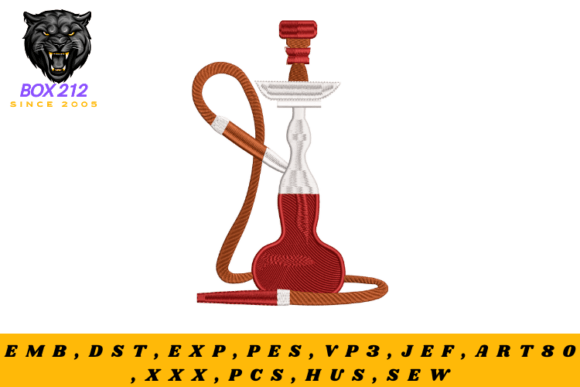
As an embroidery designer who’s stitched thousands of personalized pieces—from baby blankets to wedding towels—I approached the Hookah Embroidery Design with quiet curiosity. Its description promises “culture and elegance,” and the first impression doesn’t disappoint: graceful curves, soft rhythmic lines, and artistic accents that feel both timeless and intentional. It’s not flashy or trendy—it’s elegant, with a gentle sophistication that leans into warmth rather than formality. There’s no cartoonish exaggeration here; instead, the design carries a quiet handmade charm—like something sketched by a skilled artisan and translated thoughtfully into stitches. It reads as classic, cozy, and quietly romantic—ideal for gifts meant to be cherished, not just displayed.
Where This Design Truly Shines in Real Projects
The Hookah Embroidery Design fits beautifully across a thoughtful range of handmade products—especially those where emotional resonance matters more than mass appeal. For baby embroidery, it adds unexpected cultural depth to a nursery blanket or heirloom onesie—think soft ivory linen with muted terracotta and sage threads. As a wedding gift, it elevates a monogrammed towel or pillow cover with subtle personality, especially for couples who value global aesthetics or shared travel memories. I’ve seen it work well on family keepsakes too: stitched onto a cotton muslin pillow cover beside a handwritten quote, it becomes a tactile story piece—not just decor, but conversation starter.
It’s also surprisingly versatile for personalized home decor. On a linen apron? Elegant and grounded. On a canvas tote bag for a tea shop owner? Cultured and inviting. Even embroidered onto a lightweight cotton drawstring gift bag, it gives packaging a hand-finished polish that boosts perceived value. For Etsy sellers and small shop owners, this design supports premium positioning—its refined detail signals care, craftsmanship, and intentionality before the buyer even touches the finished product.
Practical Considerations for Reliable Stitch-Outs
Because the Hookah Embroidery Design features intricate curves and delicate accents, success depends on thoughtful prep—not just machine settings. First, always create a test stitch-out. Use the same fabric, stabilizer, and thread colors you plan for the final piece. Delicate shapes can blur on textured towels or shift on stretchy baby knits, so testing confirms clarity and density. On dark fabric, consider using a light underlay or slightly brighter thread tones to maintain definition—especially around fine stems and ornamental flourishes.
Stabilizer choice is critical. A medium-weight cutaway works best for structured items like pillow covers and tote bags, while tear-away plus a light topping helps prevent puckering on smooth cotton towels. For thick blankets or fleece-backed throws, add a layer of water-soluble topping to keep surface details crisp. And remember: high stitch density in curved areas means heat buildup—slow your machine speed slightly during dense sections to avoid thread breaks or skipped stitches.
Why It Builds Trust—and Turns Browsers Into Buyers
In handmade markets, customers don’t just buy embroidery—they buy meaning, care, and confidence. The Hookah Embroidery Design delivers all three. Its balanced composition and clean line work suggest professionalism, while its cultural nuance invites personal connection. When photographed well—on natural light, draped over a wooden shelf or folded beside a ceramic mug—it enhances product photography instantly. That visual polish translates directly to buyer engagement: shoppers linger longer, imagine gifting it, and trust the maker’s eye.
For Etsy sellers and digital product creators, pairing this design with a printable mockup (say, a linen pillow cover in warm neutral tones) creates instant credibility. Customers see how it lives in real life—not just as a flat file. And because it avoids seasonal clichés, it stays relevant year-round, supporting consistent listings and repeat use across multiple product lines—whether you’re launching a new collection of embroidered home goods or building a signature style for your small shop.
Smart Next Steps Before You Stitch
Before stitching your first finished product, take three simple steps:
- Review the Creative Fabrica listing carefully—confirm included file formats, recommended hoop size, and commercial license terms if you plan to sell physical items.
- Compare thread colors against your fabric swatch—small variations in tone become magnified once stitched, especially in curved highlights and shadowed curves.
- Check stitch density and layering—if the design includes fine inner details, ensure your machine handles multi-pass fills smoothly without excessive jump stitches.
The Hookah Embroidery Design isn’t just another machine embroidery design—it’s a quiet amplifier of intention. Whether you're crafting a baby embroidery gift, designing custom home decor for your House category shop, or building a cohesive line of personalized gifts, it adds depth without clutter, elegance without stiffness, and cultural warmth without cliché. In a market saturated with generic florals and overused motifs, this digital embroidery file stands out precisely because it feels human—hand-guided, respectfully detailed, and ready to become part of someone’s everyday ritual.
A Final Note for Small Business Makers
If you’re an Etsy seller, wedding gift creator, or baby product maker, remember: the strongest handmade products marry beauty with reliability. The Hookah Embroidery Design does both—when paired with smart prep and thoughtful execution, it becomes more than decoration. It becomes a reason customers return, recommend, and remember your name. Not for what it says—but for how it makes them feel: seen, honored, and gently invited into a story worth keeping.