Floral Branch Embroidery Design
A Designer’s First Look: Graceful, Not Fussy
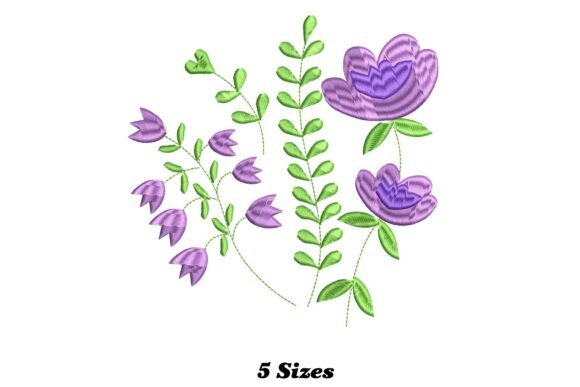
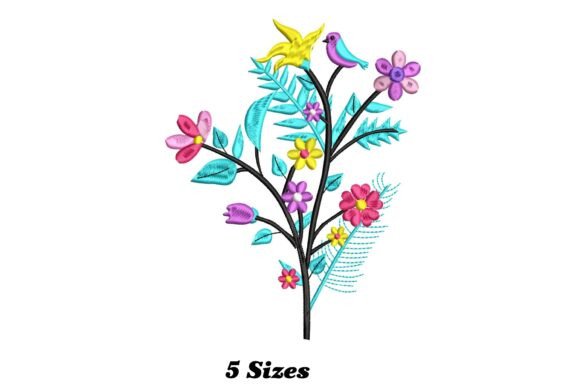
When I opened the Floral Branch Embroidery Design file, my first thought wasn’t “pretty”—it was “usable.” That’s rare. So many floral machine embroidery designs lean into fussy detail or overwhelming density, but this one breathes. It’s a single, gently curving branch with three blossoms and subtle leaf clusters—not symmetrical, not rigid, but balanced in its asymmetry. The layout feels intentional for real-world placement: it fits neatly in a 4×4 hoop without crowding, yet scales cleanly up to 5×7 for larger projects like pillow covers or tote bag fronts. Visually, it leans romantic but grounded—think cottage-core apron, not wedding bouquet. It doesn’t shout. It invites.
Real Project Test: A Linen Tote Bag for a Local Boutique
Last week, I stitched the Floral Branch Embroidery Design onto a heavyweight natural linen tote for a small shop launch. No applique design—just clean satin stitch petals, soft fill stitch leaves, and fine running stitch stems. The result? Instant warmth. Customers paused at the counter—not because it was flashy, but because it felt *considered*. That’s the quiet strength of this design: it elevates a simple item without masking its texture or purpose. On linen, the stitch density held beautifully—no puckering, no thread nesting—especially when paired with medium-weight cutaway stabilizer. It didn’t fight the fabric; it collaborated with it.
Where It Shines (and Where It Asks for Care)
The Floral Branch Embroidery Design works especially well on:
- Custom apparel: Looks polished on crewneck sweatshirts (left chest), relaxed-fit t-shirts (upper back), and structured caps (front panel—just confirm your cap frame clears the curve).
- Home + gift items: Perfect for tea towels (centered above the hem), baby onesies (upper left chest), and pillow covers (centered or bottom-corner accent).
- Small business merchandise: Reads clearly in printable mockups, translates well to Etsy listings, and supports cohesive branding—especially for botanical, slow-living, or handmade-focused shops.
That said, it asks for thoughtful handling in a few places:
- Thin or stretchy fabric: Avoid on lightweight jersey or ribbed knits without proper tear-away + topping combo—those delicate stem lines can distort.
- Dark fabric: Test thread colors first. Light ecru or oatmeal thread reads softly on navy or charcoal, but pure white can look stark. A tone-on-tone approach often works better than high contrast.
- Curved surfaces: On baseball caps or curved pillow edges, consider simplifying the outermost leaf cluster if hooping tightness compromises stitch clarity.
- Frequent-wash items: While the stitch density is moderate—not overly dense—it still benefits from quality polyester thread and secure backing. Don’t skip the stabilizer, even on stable cotton.
Design Judgment: More Than Just Pretty Stitches
What makes the Floral Branch Embroidery Design stand out isn’t novelty—it’s reliability. As an embroidery designer reviewing dozens of floral files each month, I notice how often “single flowers” fall flat: too stiff, too sparse, or too busy for commercial use. This one lands in the sweet spot. Its visual personality supports storytelling—whether it’s a personalized gift for a gardener, a boutique’s seasonal collection, or a craft fair patch set. It adds perceived value without demanding premium pricing. Customers recognize care in the spacing, the petal weight, the way the branch bends—not perfectly, but naturally.
For Etsy sellers and small shop owners: this design builds trust. It looks handmade, not digitized-by-algorithm. That matters when buyers scroll past hundreds of listings. And for craft businesses building repeat clients? Its versatility means you can use it across categories—tote bags *and* baby blankets *and* holiday kitchen towels—without diluting your brand voice.
Practical Designer Notes Before You Stitch
Before committing to your first finished product, do these five things:
- Test on scrap fabric—same type and weight as your final project, with the exact stabilizer you plan to use.
- Review stitch density visually in your embroidery software. Look for any areas where fill stitches overlap tightly near the base of the branch—those spots may need slight manual adjustment for smoother flow on textured fabrics.
- Check hoop size compatibility. If you’re using a 4×4 hoop, confirm all elements fit comfortably with ⅛" margin. Don’t force it.
- Inspect small details in black-and-white preview mode—this reveals how legible the design stays on dark backgrounds or in low-res mockups.
- Verify licensing. Since this is a digital embroidery file intended for commercial embroidery and handmade product use, confirm whether resale of finished items is permitted—and whether you’re allowed to list the design itself as part of a digital bundle.
Final Thought: A Quiet Workhorse, Not a One-Off
The Floral Branch Embroidery Design won’t dominate your portfolio—but it will anchor it. It’s the kind of embroidery file you return to again and again: for client requests that call for elegance without fuss, for seasonal product drops that need cohesion, for gifts that feel personal without requiring custom lettering. It belongs in the toolkit of anyone who treats embroidery not just as decoration, but as intention made visible—one thoughtful stitch at a time.